Introduction to Reborn Dolls
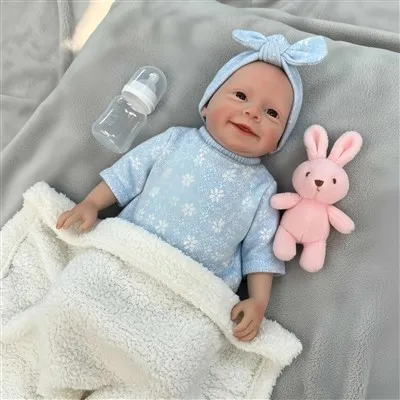
Reborn dolls are highly realistic dolls designed to resemble real newborn infants in both appearance and physical feel. Unlike ordinary toys, these dolls are carefully handcrafted by skilled artists who transform blank kits into lifelike creations through a detailed artistic process known as "reborning."
The reborning process typically includes multiple stages such as detailed painting, hair rooting, weighting, and full assembly. Artists build realistic skin tones using layered paints, add subtle details like veins and mottling, and carefully implant mohair hair strand by strand. Many reborn dolls are also weighted with glass beads or soft filling to replicate the natural feel of holding a baby.
Unlike mass-produced dolls, handmade reborn dolls are individually crafted, meaning no two pieces are exactly the same. This uniqueness is one of the key reasons reborn dolls are highly valued by collectors and enthusiasts worldwide.
The popularity of realistic baby dolls has grown significantly in recent years due to online exposure, emotional appeal, and increasing demand for personalized collectible art.

The Origins of the Reborn Doll Industry
Early Beginnings in the 1990s
The reborn doll industry began in the early 1990s when artists started modifying vinyl dolls to create more realistic baby-like appearances. These early creators were driven by artistic curiosity rather than commercial intent.
They carefully repainted dolls, added realistic skin tones, and enhanced facial details to mimic newborn infants. Over time, this niche hobby developed into a recognized art form known as reborn doll artistry.
The United States played a key role in the early development of this movement. Handmade craftsmanship defined the early market, with each doll reflecting the artist's skill and creativity. These dolls were not mass-produced but individually created, making them highly unique and collectible.
Growth Through Online Communities
As the internet expanded, reborn doll communities began forming on forums and early websites. Artists and collectors were able to share techniques, display their creations, and connect globally for the first time.
Tutorials on painting, rooting, and doll assembly helped beginners enter the hobby, while experienced artists refined advanced techniques. Later, online marketplaces allowed artists to sell handmade reborn dolls directly to international buyers.
This global connectivity transformed reborn dolls from a small artistic niche into a worldwide collecting phenomenon.
Major Milestones in Reborn Doll Evolution
Improvements in Painting Techniques
One of the biggest advancements in reborn dolls is the evolution of painting techniques. Early dolls used simple repainting methods, but modern reborn doll artistry now uses multiple translucent layers to create depth and realism.
Artists carefully apply details such as:
Veins and capillaries
Mottled skin effects
Natural blush tones
Subtle undertones and shading
These techniques significantly improve realism, making modern reborn dolls look much closer to real infants than earlier versions.
The Introduction of Rooted Hair
Another milestone is the development of micro-rooting techniques. Artists use fine needles to implant individual strands of premium mohair into the doll's scalp.
Compared to painted hair, rooted hair offers a more natural and realistic appearance. Eyelashes and eyebrows are also often rooted for added detail. This process is extremely time-consuming but greatly enhances the lifelike quality of realistic baby dolls.
Realistic Weighting and Body Design
Weighting systems have also evolved significantly. Glass beads and soft fillers are used to create a natural baby-like weight distribution.
Collectors can choose between cloth-bodied dolls and full silicone baby dolls. Cloth bodies offer softness and affordability, while silicone bodies provide more realistic movement and touch.
This evolution has made the physical experience of holding reborn dolls an essential part of their appeal.


The Rise of Silicone Reborn Dolls
Silicone reborn dolls represent a major upgrade in realism. Unlike vinyl dolls, silicone offers a soft, skin-like texture and flexible movement that closely resembles a real baby.
Benefits
Extremely soft and realistic feel
More natural movement and posing ability
Higher visual and tactile realism
Challenges
Higher production cost
More delicate maintenance requirements
Requires advanced artistic skill
Because of these factors, silicone reborn dolls are often considered premium collectibles.
The Influence of Social Media on Reborn Dolls
Platforms like YouTube, TikTok, and Instagram have dramatically increased global awareness of reborn dolls. Videos featuring unboxing, nursery tours, and artist demonstrations attract millions of views.
These visual formats help buyers evaluate realism before purchasing and significantly influence reborn doll trends.
Online communities on Facebook and forums also play an important role. They allow collectors to share experiences, learn care techniques, and connect with artists worldwide.
At the same time, e-commerce platforms have made it easier than ever to purchase custom reborn dolls directly from artists, expanding global accessibility.


Understanding Today's Reborn Doll Buyers
Modern reborn doll buyers fall into three main categories:
Collectors are drawn to limited-edition pieces and value artistry and exclusivity. Gift buyers purchase dolls for special occasions such as birthdays or holidays, appreciating their emotional and visual impact. First-time buyers typically focus on realism, price, and trustworthiness when selecting their first doll.
Each group contributes to the growing reborn doll market and supports continued industry expansion.
The Future of Reborn Dolls
The future of reborn dolls is shaped by personalization, global expansion, and technological innovation.
Customization is becoming more advanced, allowing buyers to design custom reborn dolls with specific facial features, skin tones, and accessories. Global demand is also increasing, especially in Asia, the Middle East, and Latin America.
Despite these changes, handcrafted artistry remains the foundation of the industry. Handmade reborn dolls continue to stand out because of their uniqueness and emotional value.
Conclusion
The evolution of reborn dolls shows a clear transformation from a niche artistic hobby into a global collectible industry. Today's market includes highly realistic silicone reborn dolls, custom reborn dolls, and premium handmade reborn dolls admired by collectors worldwide.
Key trends such as digital sculpting, improved painting techniques, diversity, and personalization continue to shape the reborn doll industry. At the same time, reborn doll artistry remains the most important factor behind their lasting appeal.
For buyers, collectors, and beginners, understanding these trends is essential when choosing high-quality realistic baby dolls. Whether for collecting or gifting, reborn dolls continue to represent a unique blend of craftsmanship, emotion, and artistry that will define their future for years to come.