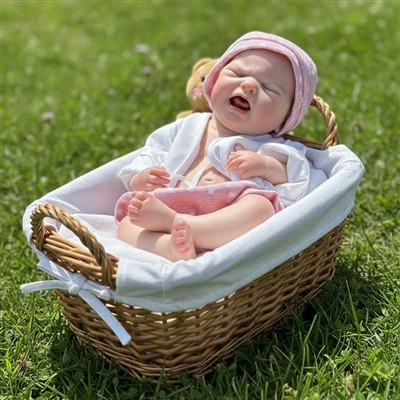
The Beginnings of the Reborn Doll Movement
Reborn dolls, with their incredibly lifelike appearance and realistic features, have become a beloved hobby for collectors, parents, and doll enthusiasts around the world. But have you ever wondered when and how this fascinating art form began? In this blog post, we'll take a look at the origins of reborn dolls and trace their development from a simple concept to the intricate, highly detailed works of art we see today.
Early Inspirations for Lifelike Dolls
While the first "reborn" doll as we know it today was created in the 1990s, the fascination with lifelike dolls dates back much earlier. The history of realistic dolls can be traced to the late 19th century, with the creation of bisque dolls. These dolls were made from porcelain and featured realistic facial features, hand-painted eyes, and often even real human hair. They were highly prized and considered works of art.
However, the reborn doll as a specific genre – the process of transforming a commercially produced doll into a hyper-realistic "reborn" version – didn't come into existence until the late 20th century.
01
The Birth of Reborn Dolls – 1990s
The true reborn doll movement began in the early 1990s in the United States. The first reborn doll is believed to have been created by a doll artist named Karen Whelan. She began by re-painting mass-produced vinyl dolls, applying layers of paint to create realistic skin tones, adding rooted hair, and even adding subtle veins and other details that would mimic the look of a real baby.
The process of "reborning" involved stripping a factory-made doll down to its basic vinyl body and then customizing every part of the doll to make it appear more lifelike. The aim was to create a doll that was so realistic, it could be mistaken for a real baby. This process was groundbreaking at the time, and quickly gained popularity as artists honed their techniques and shared their knowledge with others.
02
The Reborn Doll Community Grows
By the late 1990s and early 2000s, the reborn doll movement had gained significant momentum. Artists began selling their creations, and collectors started to form online communities dedicated to the appreciation of reborn dolls. Websites and forums emerged where collectors could share their experiences, purchase dolls, and even learn the techniques involved in creating their own.
At this point, reborn dolls had become more than just a hobby – they were a new form of art and expression. The use of silicone and vinyl materials became more refined, leading to the creation of even more lifelike dolls with realistic weight, texture, and skin tone.
03
The Evolution of Reborn Dolls Today
Since their creation in the 1990s, reborn dolls have continued to evolve. Today, they are created by skilled artists around the world, using a variety of techniques to achieve the most realistic features possible. Many reborn dolls now feature silicone bodies, giving them a soft, flexible texture that closely resembles real skin. The craftsmanship involved in creating these dolls has reached incredible levels, with artists painstakingly adding layers of paint, carefully rooting hair, and using advanced techniques to create realistic expressions and movement.
Reborn dolls have become cherished collectibles and have a dedicated following of fans and collectors. Some even create lifelike replicas of real babies for those who experience the joy of having a baby doll as a comforting companion or therapeutic aid.
04

Why Are Reborn Dolls So Popular?
The popularity of reborn dolls can be attributed to their incredible attention to detail and lifelike appearance. For many, these dolls are a source of comfort, artistic expression, and even emotional healing. Whether it's for the joy of collecting, the therapeutic value, or simply appreciating the artistry, reborn dolls continue to captivate people worldwide.
The Future of Reborn Dolls
As technology and artistry continue to improve, the future of reborn dolls looks bright. Artists are constantly experimenting with new materials and techniques to push the boundaries of realism, making the dolls even more lifelike. With new advances in silicone molding, painting techniques, and even artificial intelligence, the world of reborn dolls is likely to continue growing and evolving.
Conclusion: A Legacy of Art and Craftsmanship
From their humble beginnings in the 1990s to the incredibly realistic dolls created today, the journey of reborn dolls has been a testament to the creativity and dedication of the artists who create them. Whether you're a collector, a parent, or simply an admirer of this fascinating art form, it's clear that reborn dolls have carved out a unique and lasting place in the world of collectible art.
As we continue to explore new materials and techniques, the future of reborn dolls is bright, with even more lifelike creations on the horizon.